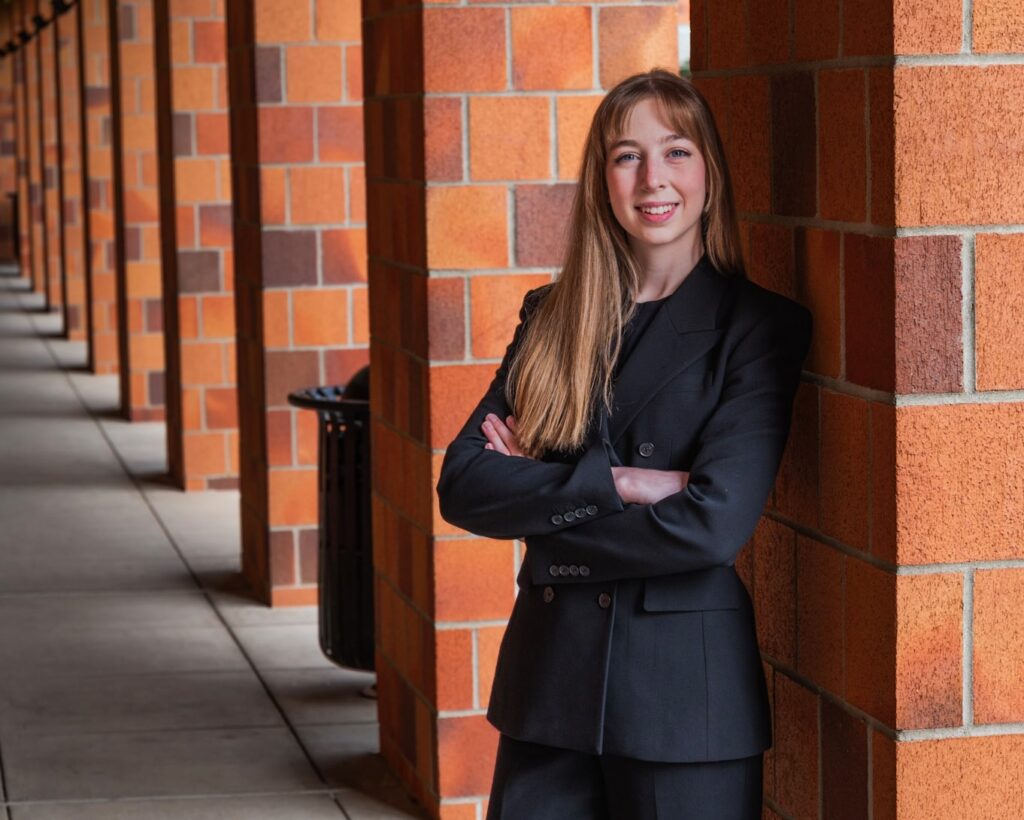
ASWSUV is implementing a new, campus-wide survey initiative to shift how it advocates for the WSUV student body. The student government is aiming to present verified response data to WSUV leadership, addressing persistent student concerns.
ASWSUV utilizes digital questionnaires to get data about the student experience at WSUV. The student government then takes the responses generated from the survey and creates comprehensive spreadsheets and visual infographics. The current survey features 13 questions and takes about 2 to 3 minutes to complete. However, navigating student reluctance seems to be the administration’s primary operational obstacle.
“Honestly, people have what we like to call ‘survey fatigue’ where we just don’t want to fill out another survey; I totally understand it because I feel the same way too sometimes,” ASWSUV President Lindsey Heather said. “Survey fatigue is real on this campus… But these surveys, they genuinely help us.”
Heather emphasized that collecting data is essential for legitimate advocacy with WSUV leadership. She explained that relying on assumptions from ASWSUV executives alone falls short of accurate advocacy.
“One thing that was very important to me going into my role was to increase the amount of surveys and student outreach that student government is doing instead of student representatives just guessing what needs to be fixed based on their own experiences,” Heather said. “Actually getting the proof, getting the numbers… and making data-driven decisions.”
The data collection process allows the student government to distinguish campus-wide trends from isolated incidents. If a survey reveals that a substantial number of students share a specific concern, it is prioritized as a systemic issue by ASWSUV. However, the administration also tracks low frequency, niche suggestions that could provide wide-spread utility to the student body.
“We usually focus on what the majority of people think the problem is,” explains Heather. “However, say someone thinks we should have a fridge on campus that students can use to put their lunches in. Maybe only a few students said that, but overall, I think that would help a lot of students.”
Student feedback has informed ASWSUV’s work before. Last year, ASWSUV leadership worked with the university on getting more hot food options on campus. Former ASWSUV President Jacob Windstead echoed similar sentiments to Heather last year, saying “Everything on this campus is always led by student feedback.”
The survey has been active for a month and a half and has compiled over 400 student responses. It is scheduled to close within the week. Data collected so far shows that student concerns are concentrated around campus infrastructure and services.
“Some of the biggest data points on places for improvement were hot food, study spaces, and outdoor spaces,” Heather said. “Bathroom improvements got a lot of good feedback as well. Beyond that, everything else evens out.”
ASWSUV senators and executive staff are engaging in targeted community outreach to ensure the data collected accurately reflects the WSUV student population. Representatives have visited dozens of core classes to capture the opinions of students from different majors. The student government has also coordinated with specific student demographics. They have presented the survey to the Graduate Student Association (GSA) and the Veterans Center, along with tabling at public campus events.
“We represent both undergraduates and graduates on campus,” Heather said. “We want to get to all majors on campus… to get the most random and diverse pool of people coming in and giving us information from multiple different perspectives.”
While the data set has not yet been given to WSUV leadership, discussions are already underway regarding potential initiatives. Heather noted that campus officials are aware of most major systemic issues, such as the limited availability of hot food, and campus leadership has previously addressed the student body regarding these limitations.
The value of the new student response survey lies in its ability to pinpoint specific, actionable items that might have otherwise escaped administrative notice.
“Gathering information from hundreds to thousands of students who all have their own individual perspectives and experiences can probably catch more than just one or two administrative support individuals,” Heather said. “They are receptive and they want to help fix it. They really are.”
The data has not been officially delivered because the student government is maximizing response rates before closing the collection window. Heather stressed that student participation actively affects ASWSUV’s ability to represent the student body. Without official documentation and verified metrics, the student government faces limitations in its ability to influence campus policy.
“We cannot advocate for change if we do not have the students standing behind us with their input,” Heather said. “We need everyone’s perspective on this campus to show administration what needs to be prioritized, so we really encourage everyone to take those few minutes to share their feedback with us.”
You may also like
-
Housing Solutions Center’s New Name Reflects Broader Mission
-
WSU Looking to Adapt the University’s General Education Curriculum, Hosts Staff Listening Session to Gather Feedback
-
Day in the life of WSUV Campus Police
-
WSUV Sees Rise in Undergraduate Retention Rates, Mirroring the Rest of WSU
-
Ribbon Cutting Introduces the Windstead Lending Library, Named after Former ASWSUV President Jacob Windstead