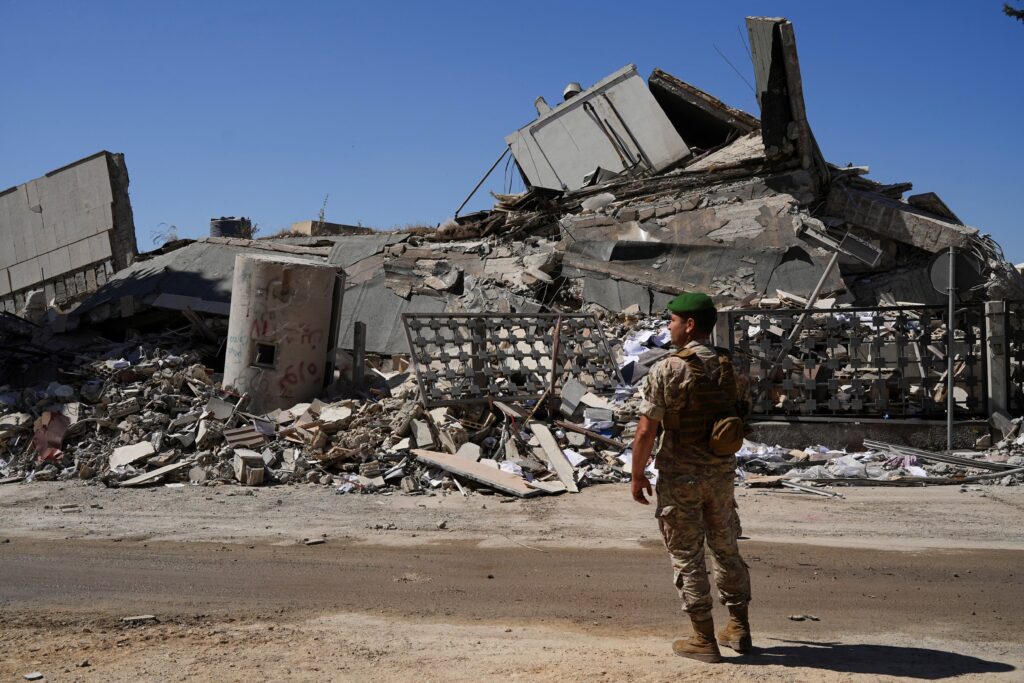
After beginning in February, we are now nine months into the war in Iran. WSUV students have followed along with the conflict in different ways.
Some said they have felt its effects through higher costs, while others remain confused about why the conflict began or have chosen to limit how closely they follow it.
For WSUV student, Brennan, the conflict has become increasingly personal as he has seen higher gas prices affect everyday expenses.
“My gas costs $55 to fill up my tank,” Brennan said. “It used to cost $35…it’s hitting everyone”
Brennan stated that he disapproved of the war from the beginning, and that disapproval has grown stronger as he has felt its effects on his own finances. He estimated that a road trip would likely cost him about $200 more than it would have last year.
Regarding the conflict, Brennan said, “I didn’t see the point.” He believes the situation could have been handled through other means, such as diplomatic measures.
Brennan said he has followed conflicts in the Middle East for several years and has been paying attention to the developments leading up to the current conflict.
His biggest concern is gas prices, remarking that, “I don’t really want $6 gas to become the new normal.”
Audrey, a political science major at WSUV, also pointed to the economic effects when discussing the conflict. She believes the effects of the war extend beyond Iran.
“America’s continued involvement in Iran’s war is distributing resources improperly and unfairly,” Audrey said.
Audrey said she is concerned about the effects she sees on people both in Iran and in the United States. She pointed to high gas prices and said she has noticed higher prices for other goods as well, including food.
For college students who already struggle to afford basic needs, Audrey said those difficulties can become more pronounced.
“Higher prices all around make affording things in general already very difficult,” Audrey said, referring to the financial challenges college students face. She said the war is “only exacerbating those struggles.”
She also expressed concern about what she sees as the broader implications of the United States’ actions for relationships between countries.
One implication being “unilateralism from the U.S. Administration.” Audrey believes this could “set a dangerous precedent that countries, for their own interests, can just go ahead and insert themselves into other nations.
Another WSUV student, Zanyah, believes this sentiment as well and thinks that “negotiation should probably be reevaluated.”
Otherwise, her experience and following of the conflict has been different.
Zanyah said the conflict has been relatively quiet in her own life and that she mostly hears about it through the news. She feels that the reasons behind the conflict are difficult to understand and that much of the information she encounters appears to be “based in opinions and personal feelings.”
When she encounters information about the conflict on social media, Zanyah said she tries to fact-check it by looking at different news organizations. She looks at sources across different perspectives to determine what information they agree upon, and then she makes her best assumptions about what is happening in the conflict from there.
With concerns for how long the conflict has lasted, WSUV student, Christian, chose “annoyed” as the best term to describe his feelings about the conflict.
“They said it’ll be quicker than it has been…and it doesn’t look like there’s any clear end in sight.”
As a prior service member, Christian knows several Marines who are involved in the conflict, which makes it “nerve-racking trying to stay in touch with them.”
He is also concerned about the conflict’s potential effects on the United States’ relationships with other countries and how countries such as China, Russia, and North Korea could view the United States as a result.
Moreover, he is also worried about the effect of the conflict on civilians.
“I think that’s the worst part,” Christian said. “There’s innocent lives being taken because people can’t get along.”
Despite this, Christian said he has intentionally limited how much information he seeks out about the war.
“I try my best to remain ignorant because I just feel like I need to focus on getting my degree and working. I know it’s not the right thing to do, but for mental health and focus reasons, I try not to actively seek information,” he said.
Although the four students differed in their feelings about the war and how closely they follow the conflict, each expressed some form of concern about its consequences.
For some, those consequences are visible in everyday expenses. For others, the conflict raises questions about U.S. foreign policy, international relationships, or the lives of people affected by the war.
However, Audrey concluded her interview with the thought, “events like these feel overwhelming, but all things come to a pass.”
You may also like
-
WSUV Art Exhibition Explores the Connections of Inheritance and Memory
-
From Registration to Representation: Helping Students Make Their Voices Heard
-
Partnership Incoming: WSU Integrating Google AI Tools
-
Students Work to Restore and Preserve Digital Games, Art and Literature at the Electronic Literature Lab
-
Goats, Candidates, and Civic Engagement Come to WSUV