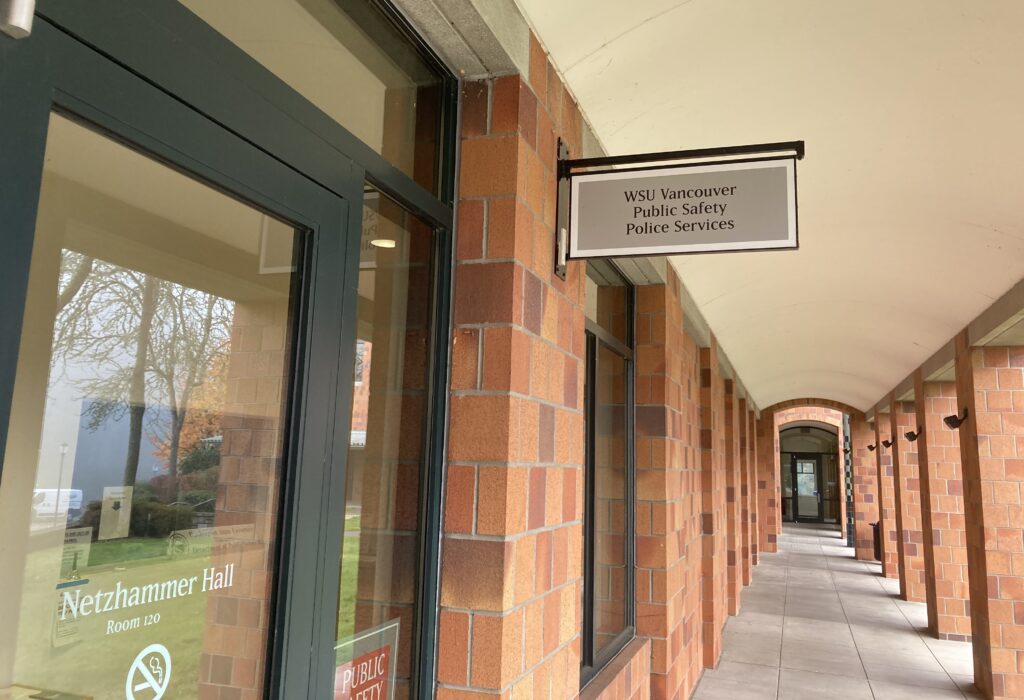
Exterior doors locked across the WSUV campus at 3:30 p.m. on Friday, Nov 6, marking the beginning of the 15-minute fall semester lockdown drill. Unlike past tests, which were held during busy mid-day hours, Public Safety intentionally ran this test in the afternoon to test how emergency protocols ran with fewer staff members and students on campus.
WSUV Public Safety Director and Emergency Manager, Jeanette Hurt, led this drill. The test focused on 2 main goals: verifying emergency security systems and building muscle memory among WSUV staff.
“I always say we train people, and we test equipment when it comes to any type of drill,” said Hurt. “Those are our focuses, and this lockdown was no different. We’re testing our equipment, which is our exterior doors, and we’re testing our staff.”
Campus drills usually take place around noon, which is when foot traffic and staffing are at their highest. Hurt moved Friday’s drill to 3:30 p.m. to test how staff responded to the lockdown during quieter hours.
“If we’re testing people, what about if it’s at an off time when there’s less staff and less people to assist? How does that work?” Hurt said. “Part of building that muscle memory with staff is putting them in situations where it isn’t fully staffed and it isn’t always at noon.”
Unlike past drills, Public Safety did not send an Everbridge phone alert during Friday’s exercise. The university ran a campus-wide Everbridge system test just 2 weeks earlier, so Hurt skipped the phone alert this time to prevent “testing fatigue” and to avoid causing students and faculty on campus to ignore any future Everbridge alerts.
In a real emergency, Everbridge alerts send immediate context, so individuals know how to act. Hurt noted that a lockdown can happen for many reasons beyond hostile intruders. They can be triggered by police activity or wildlife wandering onto WSUV’s 351-acre campus, such as a black bear or cougar in the quad.
“Once you’re notified of why the lockdown is taking place, that tells you more of what you need to do,” Hurt said.
Public Safety advises that students use the “Run, Hide, Fight” framework and ALICE response method during active campus security threats. However, students did not have to shelter in place or disrupt their routines during Friday’s drill. Hurt said that internal teams and software must be operating without issue before broader, campus-wide participation and preparation can take place.
“I believe we need to have a well-trained staff and an incredibly well-functioning door locking system before we can even start to think about training students and faculty,” Hurt explained. “That’s where our focus is at; making sure that we have our lockdown drill between our staff and our equipment operating fully, 100%, before we start even expecting others to participate in the drills.”
After the exercise, Public Safety completed an after-action review to see what worked and to spot any equipment issues that occurred during the lockdown. The WSUV campus has more than 100 exterior doors. If one of the doors fails to lock or unlock correctly during the test, Public Safety submits a work order to Facilities and Operation for repairs.
The federal Clery Act requires universities to run at least one emergency test per year. WSUV goes beyond that, running both a lockdown drill and evacuation drill every fall and spring semester. Stationed in Pullman, the WSU Emergency Manager, Doug Anderson, collects official drill records and reports from each WSU campus. He also tracks when real emergencies, like an actual fire evacuation, meet federal standards so the university can avoid unnecessary drills.
WSUV Public Safety normally notifies the campus of drills through Marketing and Communications without sharing follow-up reports. When asked where official drill summaries can be found, Hurt said the question sparked an idea to add past testing results to the official Public Safety website.
“Why can’t we have a section on our website with past testing and what we found and how we did it?” Hurt said. “That’s a great way to bring new people into the fold.”
With staff and door locks performing well during Friday’s drill, Hurt said her department is ready to expand future emergency training. She hopes to soon offer specialized training sessions to faculty, staff, students, and student government members. For Hurt, sharing safety information builds trust among individuals on campus and strengthens emergency preparedness.
“Our students are the reason we’re here, and we need to support them in every way possible, including in emergencies,” Hurt said. “They deserve a public safety department and emergency management that is very successful.”
You may also like
-
“Heavy Helpers” Crafted at Campus Volunteer Event in Support of The Children’s Center
-
Anthropology and History Club Team Up for Themed Game Show
-
Survivor’s United on Their ‘Tools for Tough Times” Event Being Held on Nov. 18, and Providing Resources for Survivors
-
Cougar Food Pantry Offers Free Thanksgiving Meal Boxes
-
Temperatures Are Dropping: Are You Ready for Colder Weather?