After nearly a year of uncertainty surrounding leadership at WSU Vancouver, students, faculty and staff may finally have a clearer picture of what the university’s permanent leadership structure will look like going forward.
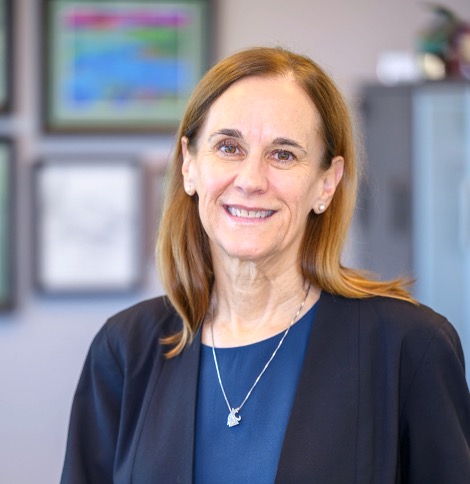
Sandra Haynes–who previously served as interim chancellor for WSU Vancouver while simultaneously leading WSU Tri-Cities–has officially been appointed Executive Vice President (EVP) for WSU Statewide Campuses. In the newly expanded role, Haynes will now oversee WSU Everett in addition to WSU Vancouver and WSU Tri-Cities, under a single leadership structure designed to improve collaboration and coordination across the statewide system.
“This new structure is really going to help us all work together to better move WSU as a whole forward. We [Haynes, EVP staff, and others] are very committed to WSU and the statewide campuses for the long run,” Haynes said.
This change followed former WSU Everett Chancellor Paul Pitre stepping down to return to a faculty role. When discussing this change in an email to the WSUV community on April 8, Haynes also outlined the following changes . . .
- “Brenda Alling, Assistant Vice President of Marketing and Communication for WSU Statewide Campuses, will lead marketing and communications efforts at WSU Everett, WSU Tri-Cities, and WSU Vancouver.”
- “Sherri Bennett, Chief of Staff to the Executive Vice President for WSU Statewide Campuses, will lead administrative services at WSU Everett, WSU Tri-Cities, and WSU Vancouver.”
- “Kate McAteer, Associate Vice President and Vice Provost, will oversee academic affairs, student affairs, and enrollment at WSU Everett and WSU Tri-Cities.”
- “Damien Sinnott, Senior Associate Vice President, will oversee finance and operations at WSU Everett, WSU Tri-Cities, and WSU Vancouver.”
For many students, the announcement raises important questions about what the change could mean for campus identity, student services, and the future direction of WSU Vancouver.
According to Haynes, much of the day-to-day experience for students will remain familiar. She explained that the restructuring is intended less as a dramatic shift and more as an effort to strengthen communication and efficiency between campuses that have historically operated more independently, but she did add that “I have a stronger voice at the system level.”
University leadership hopes the new structure will allow statewide campuses to collaborate more effectively while reducing administrative overlap. Haynes pointed to areas such as admissions and financial aid as examples of services already working more closely across campuses in an effort to better support students.
The transition also comes during a period of significant change in higher education nationwide. Universities across the country are facing increased financial pressure, changing enrollment patterns, and rapid workforce shifts influenced by technological developments such as artificial intelligence.
Haynes said WSU’s statewide campuses are working to prepare students for those changes by expanding opportunities for internships, career readiness programs, and hands-on workforce experience before graduation.
“We are prepared to help students succeed in the future workforce,” Haynes said.
While the restructuring is intended to create stronger systemwide connections, some students and faculty have expressed concerns about whether WSU Vancouver could lose aspects of its unique campus identity under broader leadership.
Haynes emphasized that maintaining the individuality of each campus remains a priority, saying that “each campus is unique, and there will be differences among them.”
She noted that WSU Vancouver serves a distinct role within Southwest Washington, particularly in areas such as healthcare, environmental issues, and technology-related fields. Those regional priorities, she said, will continue shaping the campus moving forward.
In addition to overseeing operations across three campuses, Haynes said student accessibility remains important under the new structure. She plans to maintain a presence on each campus through in-person visits, Zoom meetings, and potentially expanded student advisory groups.
“It is still a priority for me to make sure that I’m in contact with students,” Haynes said.
The restructuring reflects a broader effort by WSU leadership to create stronger connections between statewide campuses while adapting to a rapidly changing higher education landscape. For students, that could mean expanded access to services, increased collaboration opportunities across campuses, and greater emphasis on career preparation in evolving industries.
At the same time, university leaders say preserving the close-knit feel and unique culture of each campus remains central to the transition.
As WSU moves forward under the new statewide leadership model, Haynes addressed the overall goal is to ensure students feel supported no matter which campus they call home.
You may also like
-
The Art of Short Form Video: Tech Workshop Discusses Production and Structure
-
ScreamJam Spirals Into Halloween, as Student Artists and Programmers Team-Up in Month Long “Game Jam” Competition
-
Food for Thought: WSUV Students Reflect on Campus Food Options
-
War in Iran: WSUV Students Reflect on the Conflict
-
WSUV Art Exhibition Explores the Connections of Inheritance and Memory