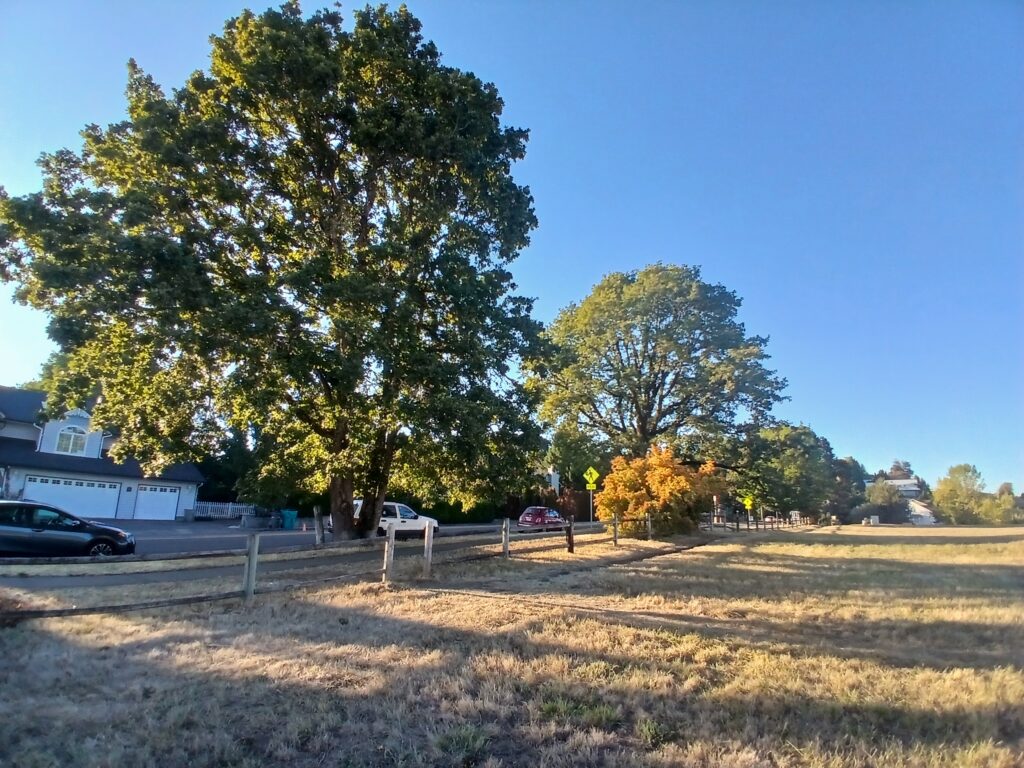
WSU Vancouver’s campus has over 1000 trees across its 350 acres, as of 2021, according to AKS Engineering & Forestry. From diverse fruit trees and ornamentals to native classics and historic homestead stocks. This story highlights the basic and most common trees on WSUV’s campus.
Sitka Spruce—Picea Sitchensis
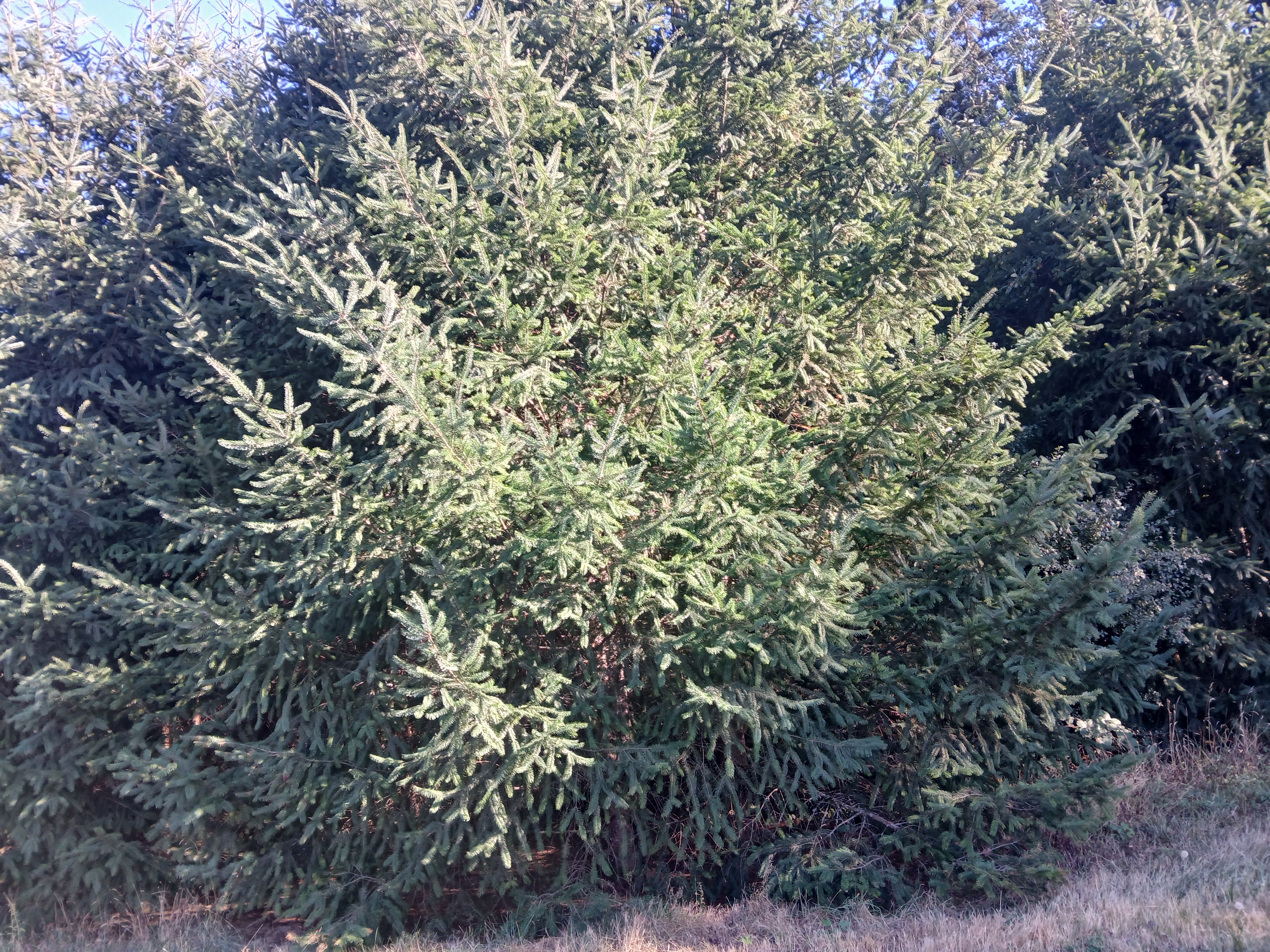
The largest of the spruce trees is the Sitka spruce, or Picea sitchensis, and consists of wood with the most strength compared to weight. They grow upwards of 60 feet and can live for hundreds of years. Sitkas are most common on the Pacific Coast but can be found on our campus in a little corner by the pond.
The leaves of new growth on the Sitka spruce have a citrus-like flavor and are packed with vitamin c. This makes them a great ingredient for various recipes and teas. These trees were used to make 20th-century aircraft, fine tools, and often musical equipment.
Douglas Fir—Pseudotsuga Menziesii
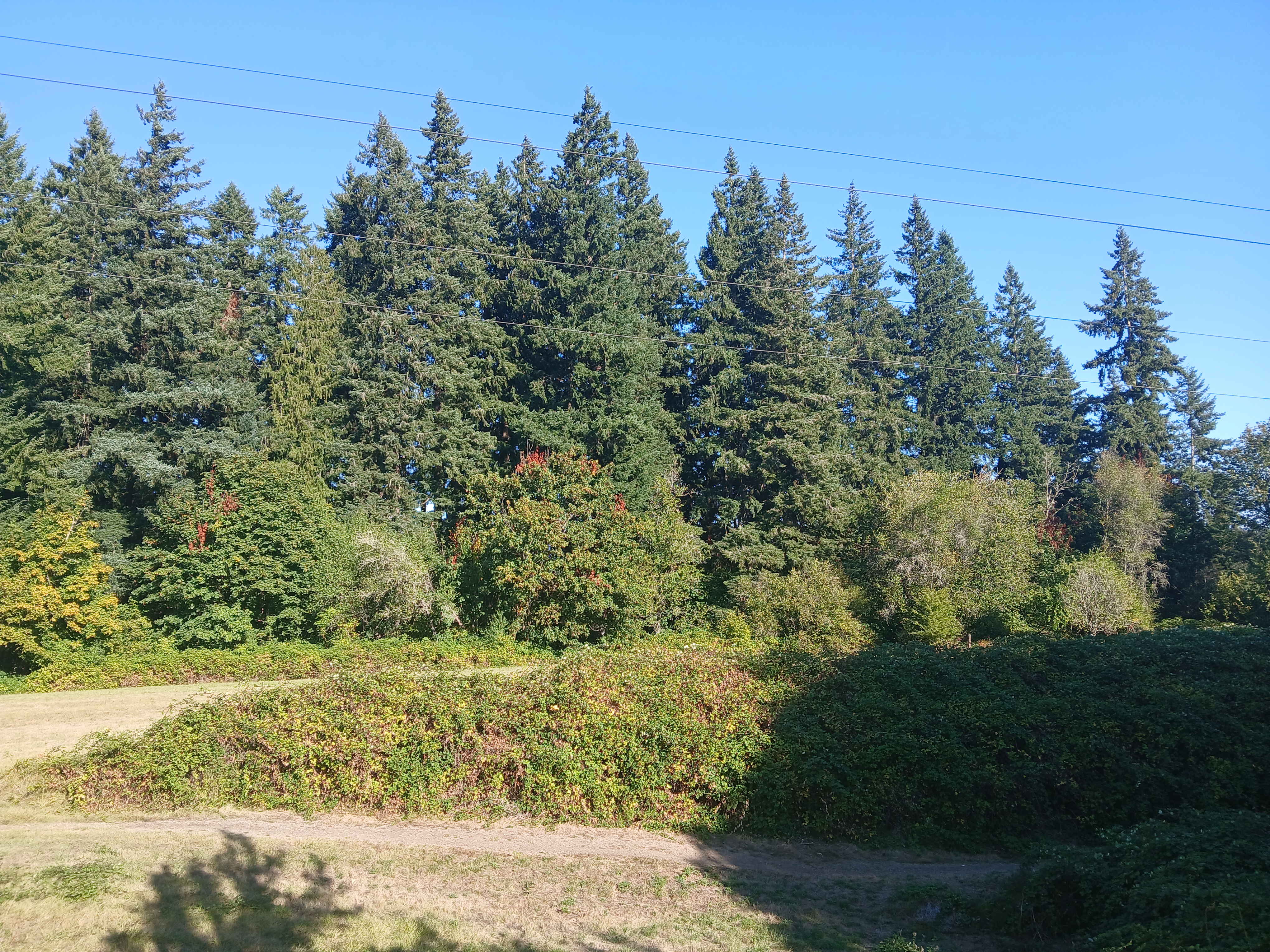
The mighty giants of the Pacific Northwest are Douglas fir trees, also known as Pseudotsuga menziesii. Behind every forest is at least a horizon of these icons. Reaching heights of up to 300 feet and living a life of nearly half a millennium. Yes, almost 500 years old and 100s of feet. These beautiful brutes come in three varieties: the Coast, the Mexican, and the Rocky Mountain Douglas fir.
These trees are technically not a true “fir” and belong to their own genus. Fir real. They’re known as a “false hemlock.” Douglas firs are also the most common tree used for North American lumber. The wood itself is durable and is often used in construction and for furniture making.
Bigleaf Maple—Acer Macrophyllum
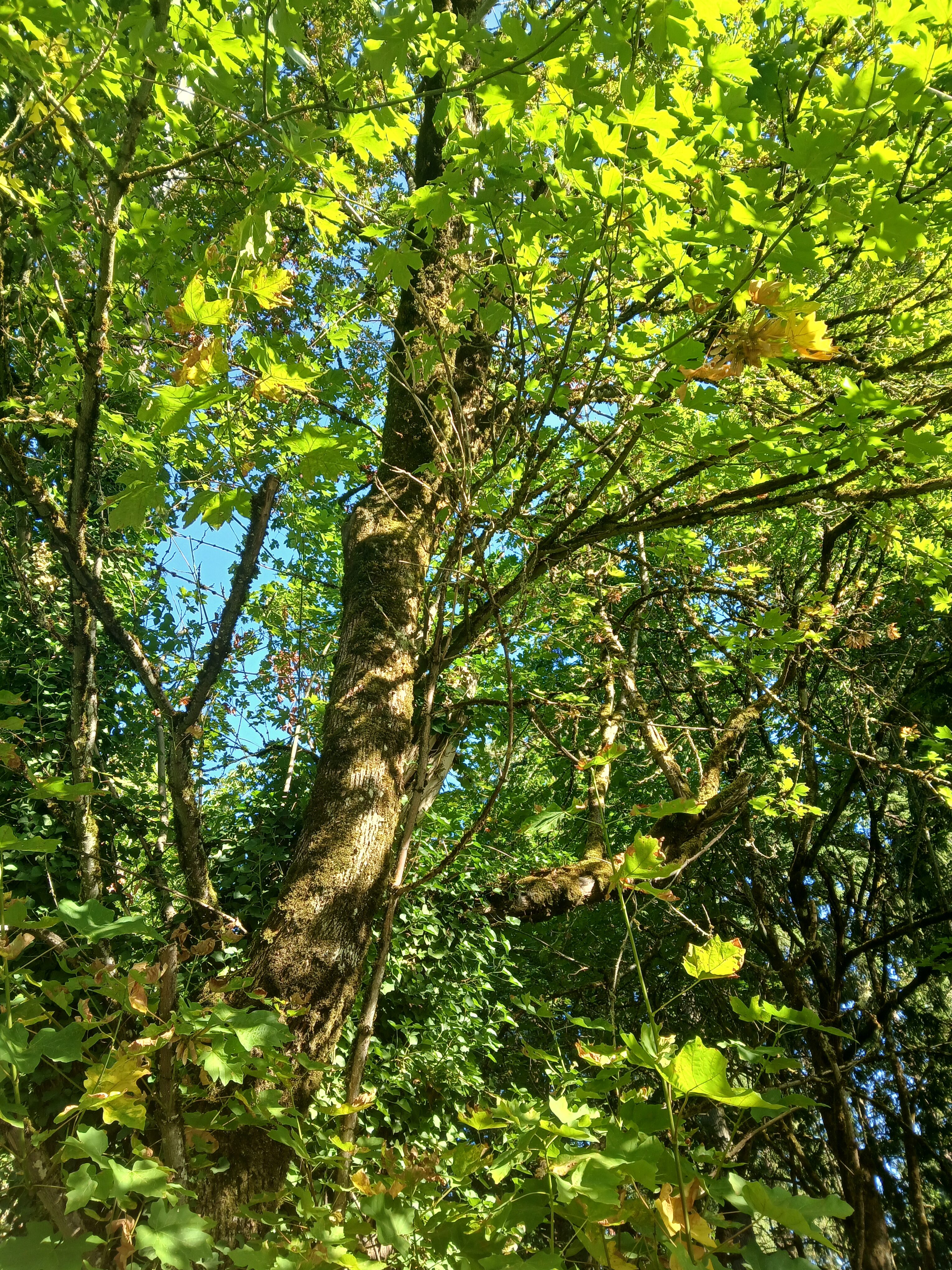
The bigleaf maple, or Acer macrophyllum, is a curvaceous beauty. Its large and light-catching five-lobed leaves and smooth, gently winding trunk make this tree relatively easy to identify. Not to be mistaken for its much smaller sibling, the vine maple, which is thinner and has softer leaves and more condensed colonies of stocks.
Bigleaf maples are the biggest trees of the maple variety. They’re able to be tapped for syrup. Yum! Their leaves also produce many nutrients for the surrounding soil.
Oregon White Oak—Quercus Garryana
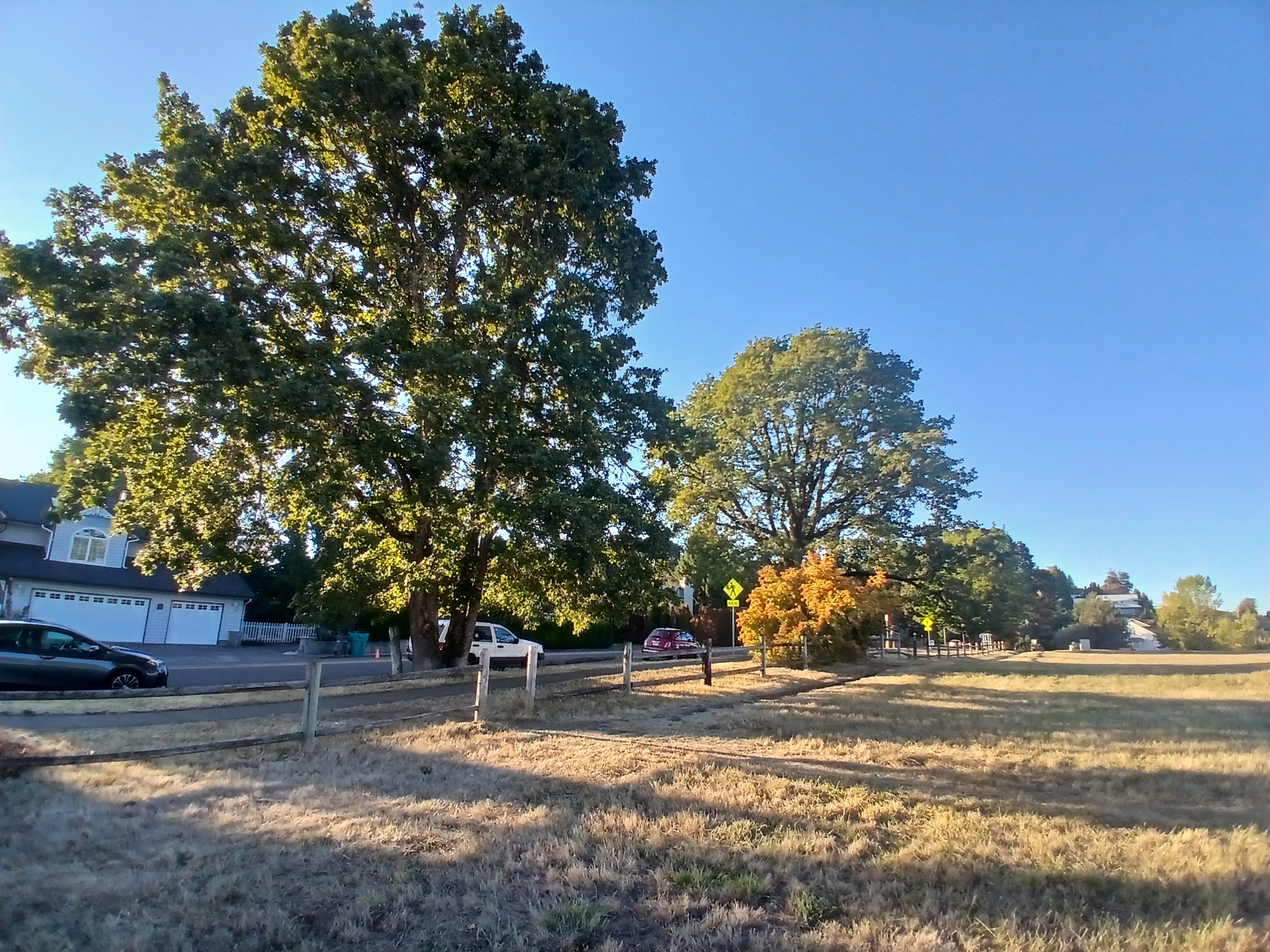
The Oregon white oak, also known as Quercus garryana, is not exclusive to Oregon (and not necessarily invasive to Washington.) This massive Pacific variety stretches from Southern California, all the way to British Columbia, Canada.
Oregon white oaks are known for their signature 5 to 7 tongued leaves and extremely girthy trunks. You can find these trees lined up stoically by the western bus stop at WSUV, as well as tucked away in other locations around campus.
Oak trees in general are basically fire resistant and very tolerant of floods. They’re powerful and enduring, living up to 500 years. They also produce walnuts that can be ground into gluten-free flour in a pinch.
The next time you’re walking around WSU Vancouver, slow down and take in your surroundings. Root yourself in the natural beauty of our campus. Appreciate the greenery that many take for granted.
You may also like
-
Rising Costs and No Sense of Community on Campus. Students Offer Feedback to WSU President Elizabeth Cantwell at Recent Listening Session
-
New Coug Orientation Goes Through a Revolution, As a Result of WSU’s Systemwide Reforms
-
The Silent Voices: A Chance to Tell Their Side
-
“Terrible” and “Complicated.” Students React to Trump’s State of the Union Address
-
Impressions of a WSUV Douglas Fir