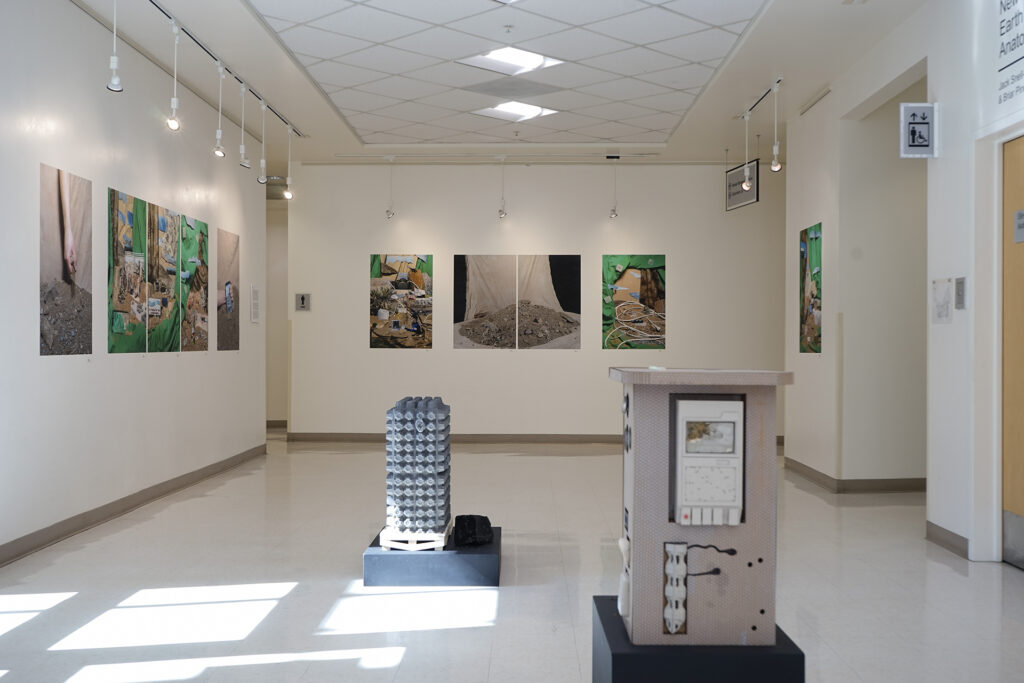
Walking through the gallery space in the Dengerink Building, artwork from seasoned artists around the region can be found on the walls of the VDEN gallery. The gallery is the main venue on campus for exhibitions, offering a chance for students and staff to slow their rhythm and contemplate the creative pieces on display. Additionally, student artwork gets displayed at the end of each academic year, when the gallery hosts the annual Student Art Exhibition, which just completed its 29th annual showing. But who decides what art gets shown in the gallery, and what is the decision-making process like?
I spoke with Avantika Bawa, professor of fine arts and gallery promoter, as well as Noah Matteucci, program technician. I asked them about the selection process behind the art shown in the VDEN gallery, as well as the history of how the gallery has grown to what it is today. Both Bawa and Matteucci are members of the Art Gallery Committee, the driving force behind the gallery’s operation. The committee currently includes former program leader Harrison Higgs, Noah Matteucci, Avantika Bawa (current program leader,) Dr. Nanette Thrush, WSUV senior Jesse Velasco, and the Chancellor’s Office liaisons Sherri Bennett and Lisa Wolfson.
According to Bawa, the VDEN gallery began with no financial support from the university and was essentially a passion project of the art department, later commenting, “This was not an organized thing when we started. We kicked it, rolled it, and pushed it to start.”
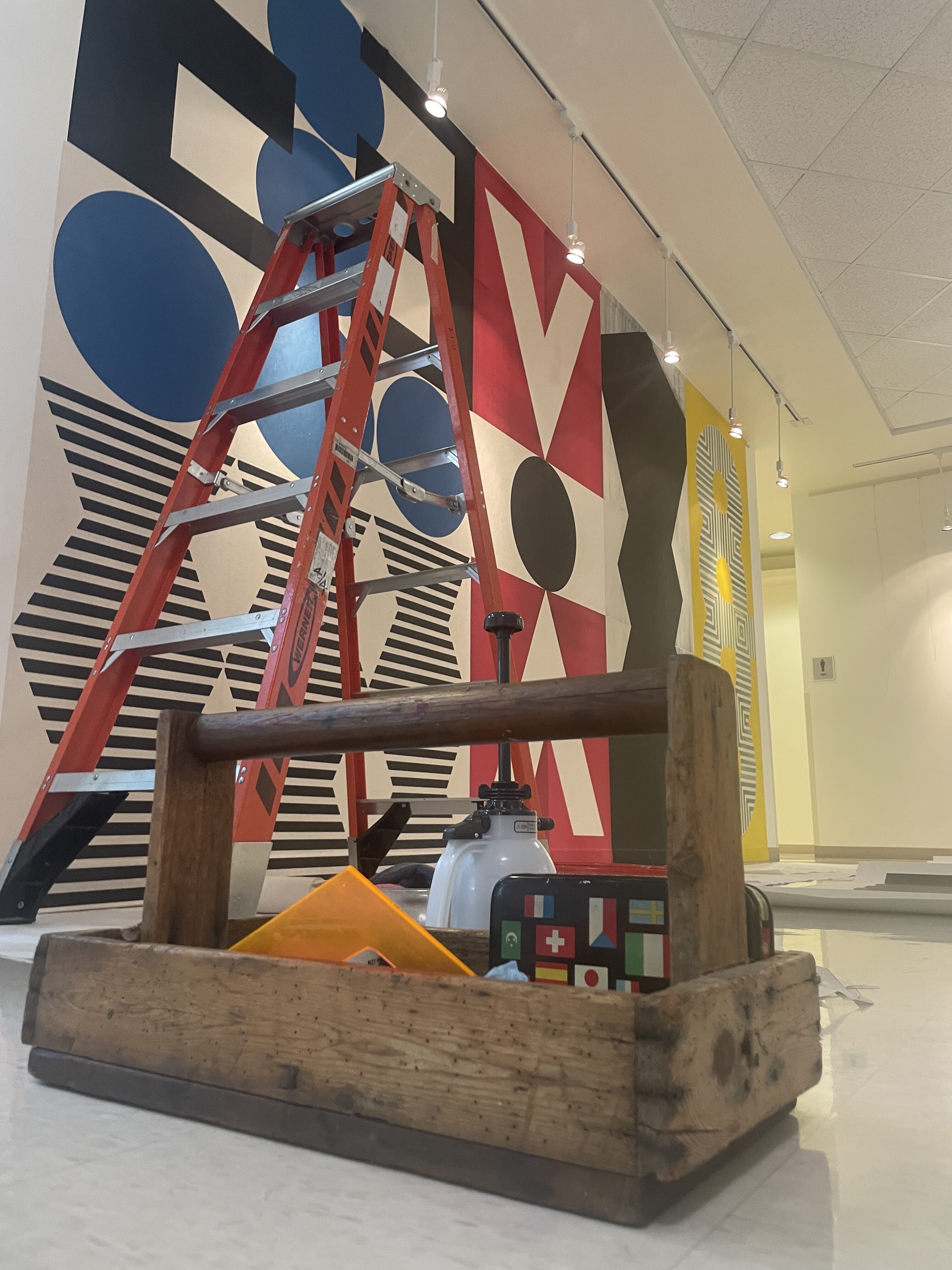
Speaking on the history of the gallery, Bawa stated, “This gallery is essentially a hallway. The science building gallery is a hallway; the one in VDEN is a hallway. There were racks [and] hanging systems, so back in 2009-2010, whoever was working at the time would hang some student art. And there was this interest in making something more happen, but the art department at that time was tiny. There was one full-time faculty and one full-time staff, so it was a little difficult.”
Bawa then came on board in 2010, and after seeing student artwork, asked the question, “Can we do more?” To which, the rest of the department responded, “Yes, let’s do more.” The gallery’s first formal exhibition came in 2012, entitled This Is Now, composed mainly of various artworks from members of the department. Following the success of the show, the department decided to put on more shows going forward, though now they’re widening the focus of the gallery to outside artists interested in showing.
Bawa states, “If somebody wants to apply for a show, they can apply. There is an open call, but we look at it as a committee, and the most important thing is, is this art going to make our students and community stop, look, and think? And then, is it aesthetic? Is it relevant? We don’t want the best series of beautifully done portraits. You could be a rockstar, but if your work doesn’t make sense over here, what’s the point? And to be realistic, we could get a lot of people [applying], but with the shoestring budget we have, who can we get that will still be good and give us good work?”
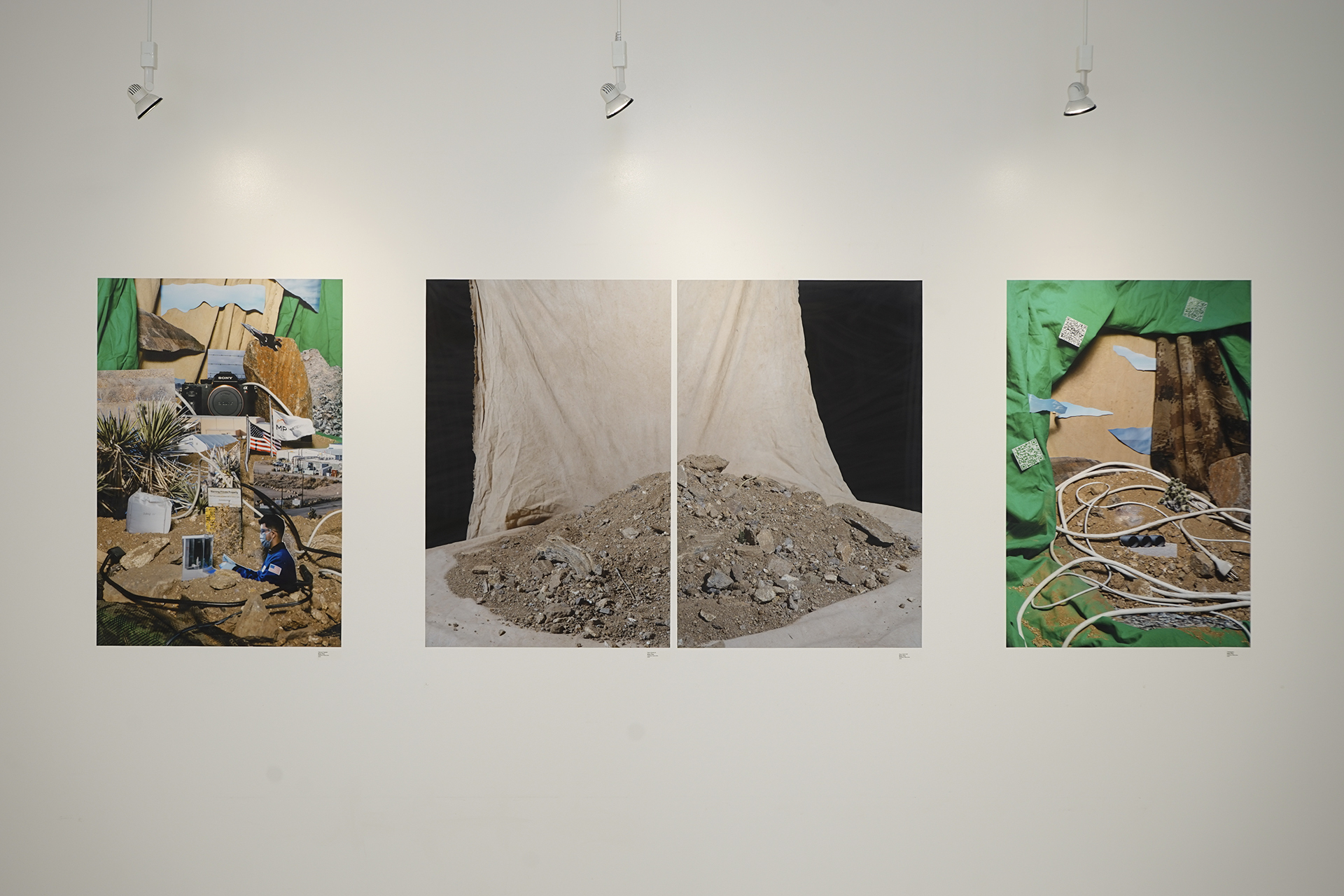
For the next seven years, the gallery opened its doors to regional artists without compensation due to a lack of funds. The enticement for the artists was that they would be able to show artwork in a research 1 university, guaranteeing an audience. Even though the gallery had no funding, they still remained thoughtful about their selection process, only accepting artwork that they thought would make students on campus curious and contemplative.
“It’s like a symbiotic relationship [between] the artists and the WSU [Vancouver] community,” said Bawa.
This chance for reflection was not the only motivation, as Dr. Nanette Thrush stated, “We felt that it was important for students to have a voice in the venue. We also wanted it to be a vehicle for the administration to see the critical thinking skills that students gain in the program.”
Matteucci says, “Thinking space-wise, what if, eventually, one day, we get enough funding where we can have a larger gallery space where we can show bigger work, larger exhibitions? Where we can put holes in the walls, [and] we can move around the walls, we can have these large-scale installations. Things like that could be interesting.”
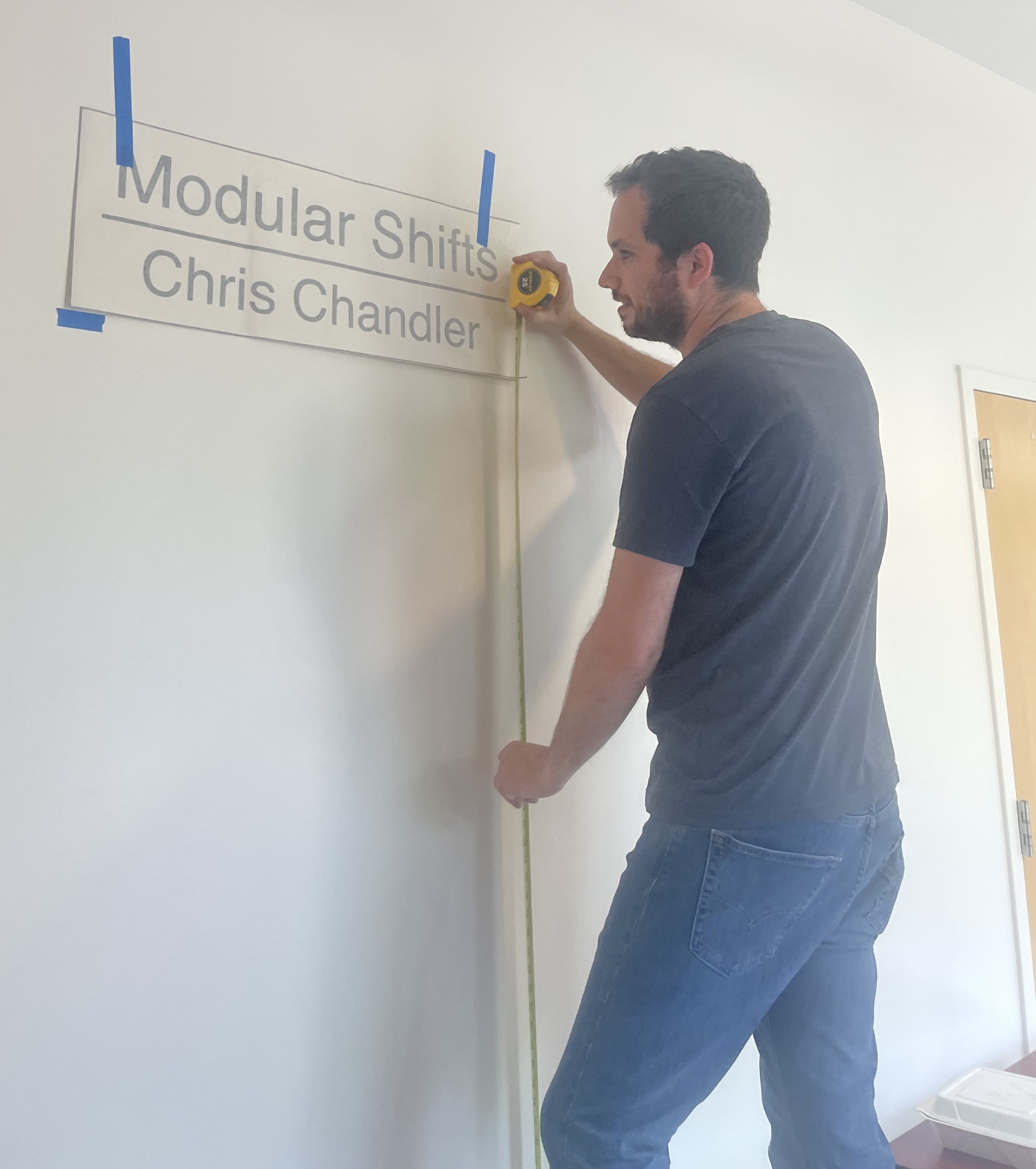
Eventually, the department was able to work out a budget for showing artists with the Chancellor’s Office, now at $2000 annually for six shows. Around the same time, they started doing work across campus, namely in the library and science building, where they sought out artists who made more sense in these spaces. This has grown across most of the school, as art of various forms is shown in most of the buildings around campus.
You may also like
-
Rising Costs and No Sense of Community on Campus. Students Offer Feedback to WSU President Elizabeth Cantwell at Recent Listening Session
-
New Coug Orientation Goes Through a Revolution, As a Result of WSU’s Systemwide Reforms
-
The Silent Voices: A Chance to Tell Their Side
-
“Terrible” and “Complicated.” Students React to Trump’s State of the Union Address
-
Impressions of a WSUV Douglas Fir