The counseling center at Washington State University Vancouver is struggling to meet students’ demand for appointments this fall as the department faces staffing shortages. This is a change that began over the summer when the previous counselor, Simeon Kulp, left to pursue further job opportunities in Portland.
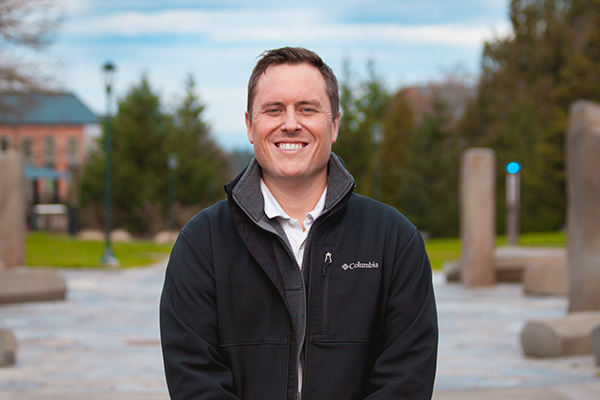
“We wish him the best, but it did create a hole,” said Eric Scott, the hiring manager for the counseling center.
There was a brief adjustment period where a new counselor could not be hired right away, as WSU adjusted its salary to remain competitive with the rest of the market. This left the center with just one mental health counselor on staff for three months.
According to data from past semesters, the counseling center expects to have around 500 appointments and 100 students seeking counseling during the fall 2025 term.
“The level of work is pretty high,” said Scott. “It means that we can’t do some of the outreach activities that we want to do on the college campus, because ideally, mental health counselors are also seen on our campus to reduce stigma and create an environment where people can talk openly about mental health.”
Due to the current limitations of the staff, the counseling center has had to limit available appointments to three to six sessions per student, with a waitlist opening up. Said waitlist is already booked out for four weeks to meet with the remaining counselor, Julie Dembo.
“Sometimes we refer the students off campus immediately because it’s just not the scope or the level of practice that we’re able to provide here. To do ongoing therapy or counseling,” Eric Scott explained.
Despite the intense workload, the counseling center continues to reserve an hour, every day, for urgent appointments. “So that way, when there is somebody that is having a high-stress moment, there is somebody on campus that they can come in and talk to,” Scott said. In the last three weeks, these sorts of appointments have been utilized by students two to three times per week, or at a higher rate than the counseling center usually sees.
“I think we’re weathering this right now, and we have hope in sight,” said Scott.
WSUV is currently in the process of interviewing eight new candidates for the open counselor position, with the hope of having someone else working in the office by November 1st, 2025. In addition to this new hire, last year WSUV launched a peer health educator program with Rosemary Jenkins.
“Students like to talk to their peers more so than an authority on the subject in some instances,” Scott noted. “It feels more informal and more accessible when they can talk to somebody that is more like them.”
In order to handle situations where students may need resources beyond what can be provided on campus, the counseling center attempts to connect students with outside resources.
“We want to make sure that they have health insurance. So we would refer them to Carmen Herrera, our benefits or basic needs navigator, and she would help them understand how to enroll in the insurance programs for the state if they don’t have insurance. And then we would help them find this list of providers that we keep in the office of folks that we’ve had success referring off campus to. So, that way, the students know where to seek care, and they have insurance and access to that care.”
For now, however, the counseling center is doing what it can to balance a high demand for services with its limited staff. They’re looking forward to increasing their capacity later in the semester with the hiring of a new counselor.
You may also like
-
Rising Costs and No Sense of Community on Campus. Students Offer Feedback to WSU President Elizabeth Cantwell at Recent Listening Session
-
New Coug Orientation Goes Through a Revolution, As a Result of WSU’s Systemwide Reforms
-
The Silent Voices: A Chance to Tell Their Side
-
“Terrible” and “Complicated.” Students React to Trump’s State of the Union Address
-
Impressions of a WSUV Douglas Fir