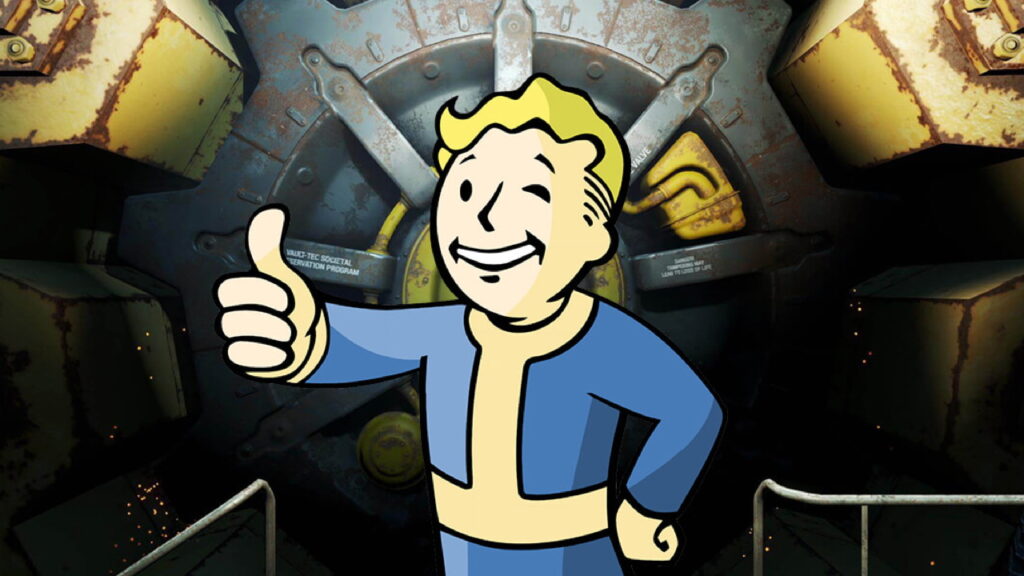
A dreary nuclear apocalypse, with swinging 50’s music. The lovably fun cold war-era Americana filled with colorful brands like Nuka-Cola and Robco, emblematic of the capitalistic nationalism which caused the nuclear apocalypse. The Fallout franchise is filled with odd contradictions which somehow just work. On the surface it appears like any other nuclear apocalypse, but the soul of this world and story will keep you longer than any other apocalypse.
Since the TV show’s first season, Fallout has exploded in popularity, boosting the player counts of many of the games, most of which released over a decade ago and have largely aged like fine wine.
The basic premise of Fallout is a nuclear apocalypse filled with raiders, steel-armored super soldiers, ghouls and oversized scorpions. Underneath the surface is a deeper story of how rampant capitalism and nationalism led to a nuclear war, and the remnants of human order like the Enclave and the Brotherhood of Steel are a dichotomy of which is the lesser of two evils.
That said, the vibes of Fallout keep you smiling amidst the horror. The main currency of the world is Nuka-Cola bottle caps, plenty of the robots feature eccentric personalities satirically spouting off propaganda or marketing speak. And the radio with 1950’s music . . . is a total vibe.
Fallout 1 & 2
The first two Fallout games are certainly from a different era, developed from Interplay Entertainment (the original owners of the IP), and may be an acquired taste for modern audiences. These are point-and-click role playing games, which are considerably more difficult, unforgiving and old school.
Fallout 1 is a shorter adventure, where you are seeking a water chip to save your Vault (nuclear bunkers created by the Vault Tec corporation) from running out of water. The trick is that the whole game is based on a timer. While you have a fair amount of time, this game demands you avoid dilly-dallying and stay focused on the main task. It creates a real sense of urgency, while the shorter playtime makes the experience more replayable and approachable.
Fallout 2 starts with a scene of the Enclave mowing down a family, a fitting introduction for the most out-of-pocket Fallout experience available. The humor turns meta, with gravestones featuring names of the developers out in the world, the ability to prank call the Enclave, and plenty more. It also removes the timer for the main quest, while featuring a much larger world, greatly increasing the freedom of the experience.
Fallout 3 & New Vegas
In 2004 Bethesda Studios got the license to create their own Fallout game, and in 2007 fully acquired the IP. With Fallout 3, Bethesda completely reimagined what a Fallout game could look like. They brought the perspective to first person, designing a role playing game which played more like a first person shooter, and introduced the radio with 1950’s music.
Beyond the reworks, Fallout 3’s world and story are remarkable. Featuring voice acting from the likes of Liam Neeson, characters like the greaser-inspired Tunnel Snakes and the hilarious kid-governor Macready, and Tranquility Lane’s simulation of pre-war USA, Fallout 3 consistently delights and surprises. The best example is the Power of the Atom quest, which gives you the option to defuse or detonate an unexploded nuke in the center of Megaton, with all the rewards and consequences that come with it.
In 2010, a different studio developed a Fallout spin-off, Obsidian Studios, staffed with plenty of the original creators of Fallout. While Fallout New Vegas launched with a poor reception due to numerous bugs, over time the game turned into a cult-classic, the favorite of the most hardcore Fallout fans. Between a plethora of dueling factions, numerous skill checks for unique solutions (including “low intelligence” options), and many iconic characters like Victor and Joshua Graham, there is too much in this game to fully explore every amazing aspect of it. And of course there’s Mr. House . . . enough said.
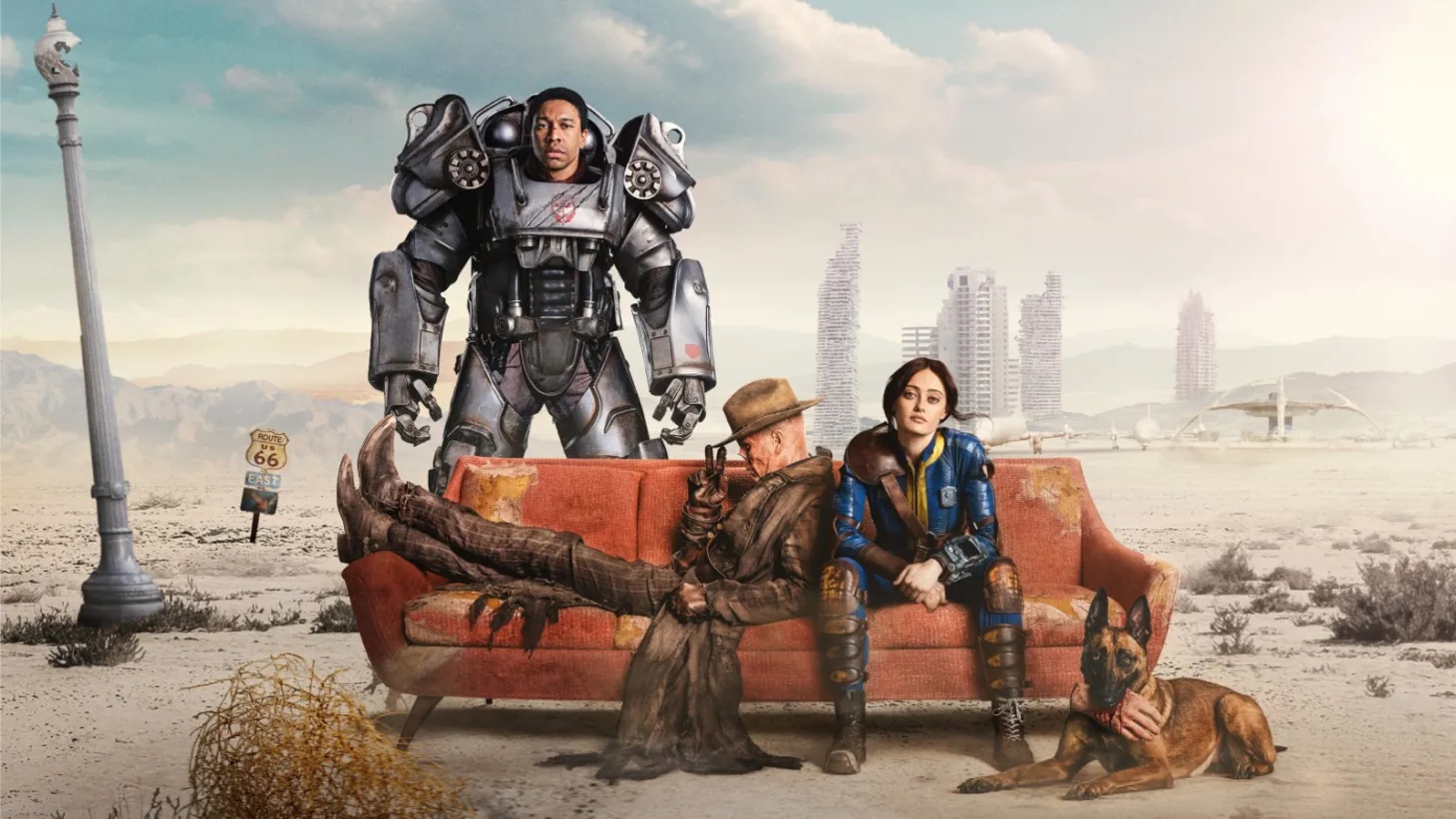
Also as a side note, season 2 of the Fallout TV show is very closely tied to Fallout New Vegas.
Fallout 4 & Fallout 76
The last two major releases in the Fallout franchise are the most divisive, each with plenty of fans and success, but both with more than a few trials and tribulations. One thing shared in both of these releases is settlement building, an idea which on paper sounds great but came with a few unintended consequences in both.

Fallout 4 is an attempt to modernize the franchise. It keeps plenty of the charm of Fallout, with some of the best companions in a Fallout game, but is much more forward thinking, for better or worse. The gunplay is the smoothest the series has ever been, and nearly all loot can be scrapped for parts, vastly increasing the crafting potential. That being said, the ability to build settlements–which in fairness is very well designed–takes over a major portion of what Fallout is known for, with most player choice revolving around whether you’re nice or slightly mean about being the hero, and most quests revolving around Preston Garvey marking another settlement on your map.
Fallout 76 meanwhile, the greatly embattled live-service multiplayer fallout game, has had an intensely turbulent ride the whole way through. The experience launched with bugs and glitches abound, yet its first major expansion added plenty of much-needed quests and characters. All of its gameplay and quest content released over the years has been free, but that is because it’s funded by endless settlement micro-transactions, leaving Fallout 76’s main identity as the ultimate settlement building game, rather than an epic adventure of choice and consequence.
Fallout as it Stands Today
Despite the controversies of Fallout 4 and Fallout 76, the franchise as a whole is more popular than ever before, and the very soul of Fallout, its Satirical Americana and delightful apocalypse, stands among the many reasons why so many have fallen in love with the TV show. One of the most frustrating aspects of Fallout 76 also offers its greatest promise, that it still has potential to be more. While Fallout 5 is likely close to a decade away, there are heavily rumored remasters of Fallout 3 and New Vegas likely to release within that decade.
There’s not really many other apocalyptic adventures quite like it. As Bethesda studio head Todd Howard has said, the dark comedy ethos and its satirical Americana is the secret sauce, making many of the Fallout games discussed above worthy of a playthrough, regardless of how old the game is or even if you’ve already played them before.
You may also like
-
Rising Costs and No Sense of Community on Campus. Students Offer Feedback to WSU President Elizabeth Cantwell at Recent Listening Session
-
New Coug Orientation Goes Through a Revolution, As a Result of WSU’s Systemwide Reforms
-
The Silent Voices: A Chance to Tell Their Side
-
“Terrible” and “Complicated.” Students React to Trump’s State of the Union Address
-
Impressions of a WSUV Douglas Fir