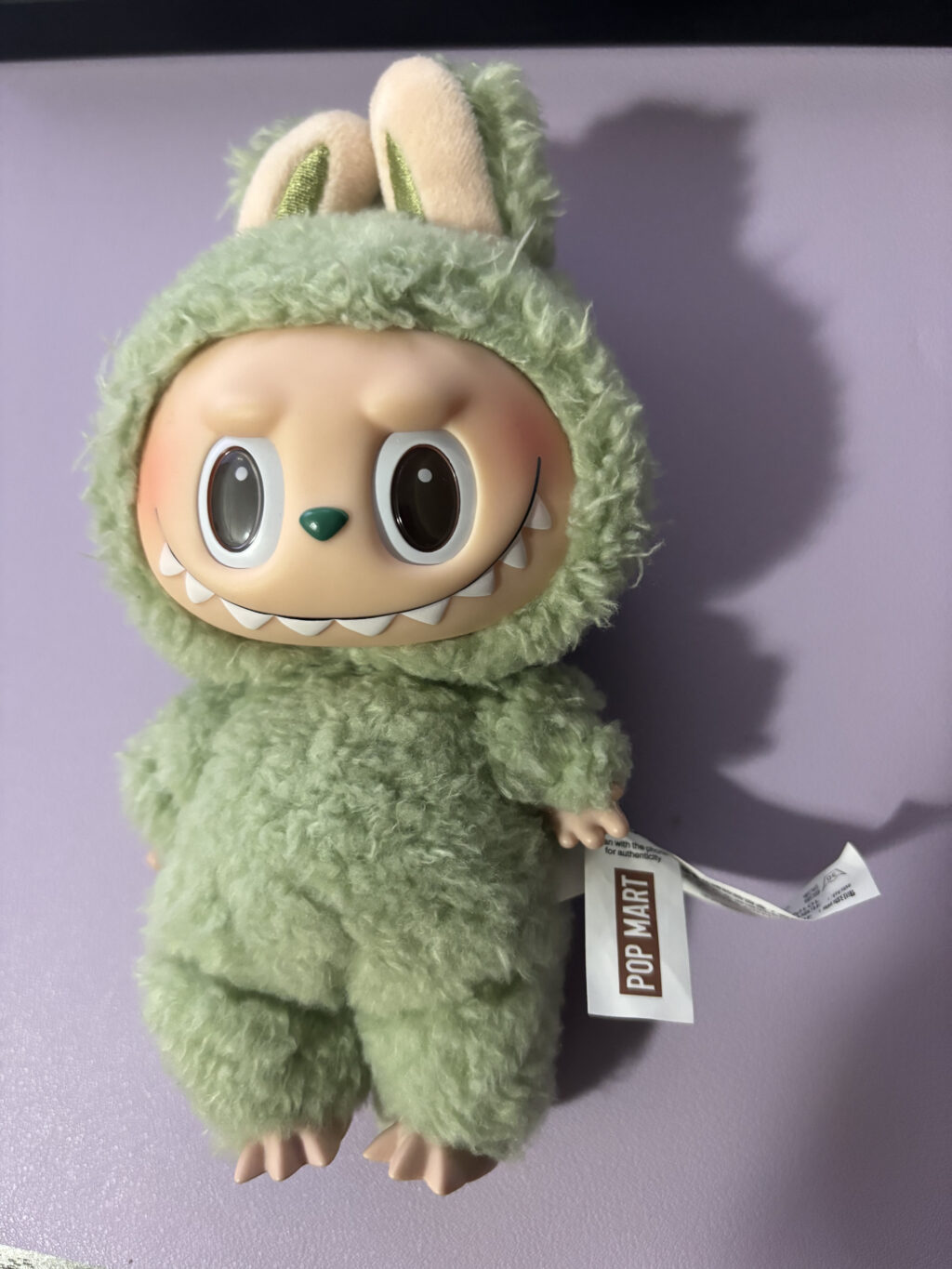
Labubu, the small, horrifyingly cute creature designed by artist Kasing Lung, has become a global obsession. Originally part of The Monsters series, Labubu found mass appeal when Lung partnered with Pop Mart, the Chinese company famous for its “blind box” collectibles. The thrill of ripping open a nondescript package to discover which figure you’ve received incites both excitement and nostalgia.
If this phenomenon feels familiar, it’s because we’ve seen it before. In the 1990s, Beanie Babies sparked a similar frenzy. They were endlessly customizable, instantly recognizable, and, much like Labubu, were prized as both toys and collectibles. “At the beginning of the Labubu craze, many of them were going for hundreds of dollars, and as a result there was an exclusivity factor,” notes Michael Walker, a psychology major at WSU Vancouver.
The natural question is whether this craze will fade as quickly as it rose. Social psychologists suggest that toys like Labubu endure because they spark imagination and encourage play. As one theory puts it, “Play is activated, not only by an object, but by the environment and community around it.” A well-designed toy can be more than a trinket—it can be a trigger for creativity, humor, and even comfort.
Today, Labubu isn’t just a toy. For many, it has become an emotional support figure, a source of levity and humor during uncertain and trying times, and potentially a way to connect with fellow fans. In that sense, Labubu might be the perfect storm of consumerism, nostalgia, and connection.
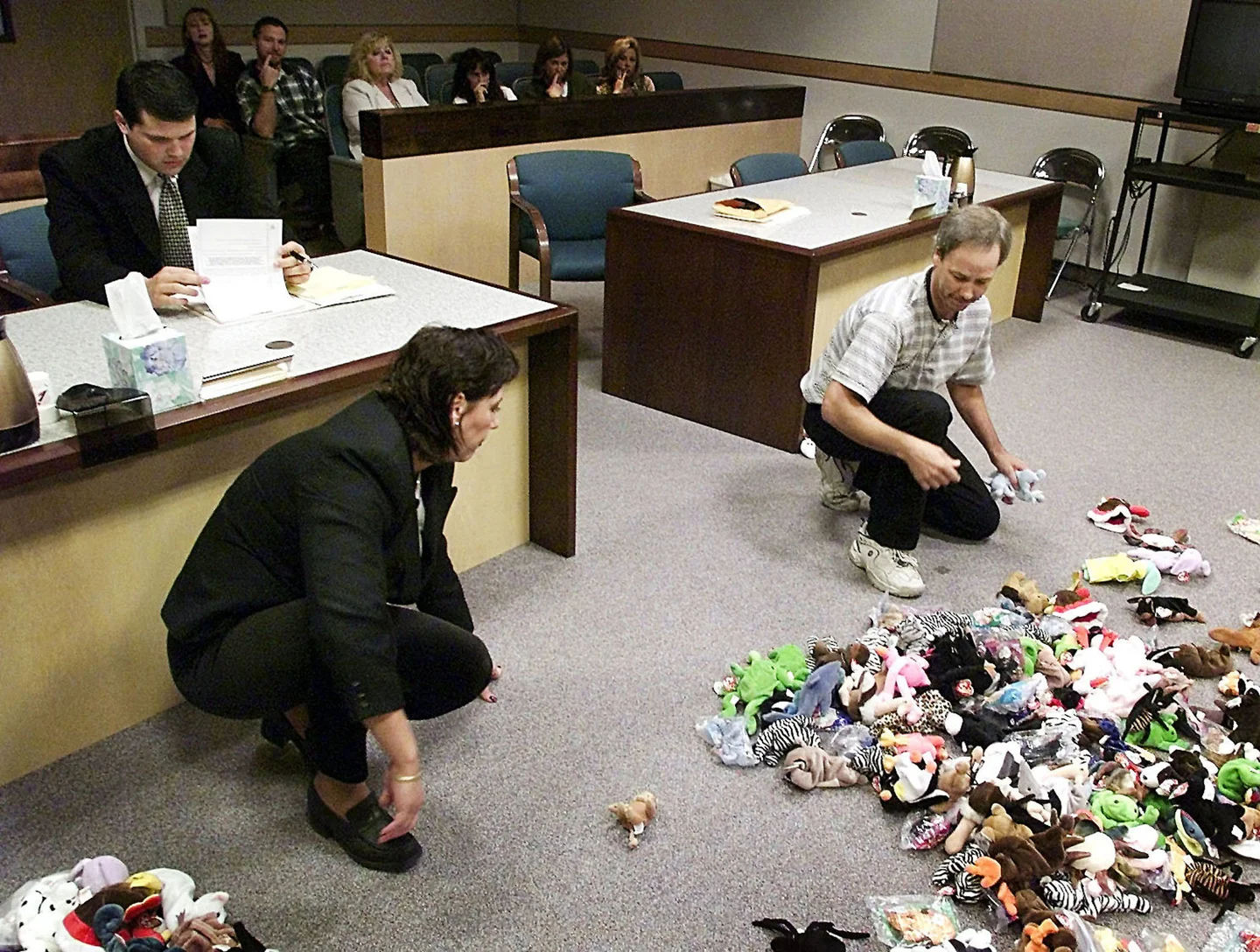
Still, the parallel with Beanie Babies lingers. Who could forget the now-infamous courtroom photo of a divorcing couple dividing their Beanie Baby collection on the floor? That is proof that even dolls beloved among all age groups can be seen as a valuable household asset.
So perhaps the question isn’t why we’re obsessed with Labubu, but whether we’re comfortable admitting that sometimes, the smallest, strangest toys can hold the biggest pull in our lives.
You may also like
-
Rising Costs and No Sense of Community on Campus. Students Offer Feedback to WSU President Elizabeth Cantwell at Recent Listening Session
-
New Coug Orientation Goes Through a Revolution, As a Result of WSU’s Systemwide Reforms
-
The Silent Voices: A Chance to Tell Their Side
-
“Terrible” and “Complicated.” Students React to Trump’s State of the Union Address
-
Impressions of a WSUV Douglas Fir