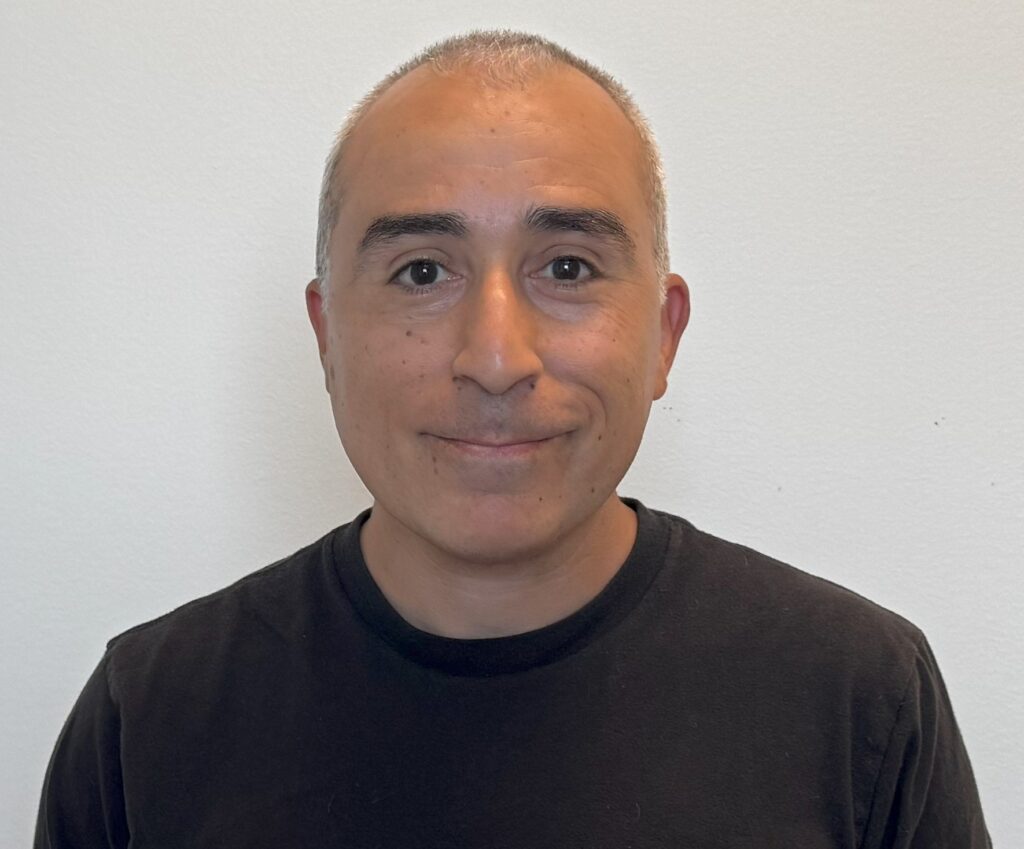
WSU Vancouver has had the public affairs program for many years at this point, and now the university is expanding its offerings to include a complimentary political science program. Both of these are headed by Public Affairs Program Director Anthony Lopez.
“The political science program is new as [far as] being on-the-books, but all of these courses have been a part of WSUV for a while,” said Lopez.
Lopez noted that both degrees tend to involve research and coursework for the public sector at the local, national, and international levels. These programs are meant for students looking for jobs in the public sector or adjacent to the public sector, such as non-governmental organizations involved in politics. Lopez particularly pointed out that there are many students at WSUV interested in law. Not necessarily a majority of students, but possibly a plurality of the students at WSUV.
As for the opportunities with this program, Lopez highlighted the connections faculty in this program have, as well as an internship.
“There is a pretty healthy and prestigious internship program at Olympia with the Washington State Legislature,” Lopez said. With this internship, students will have the opportunity to work for lawmakers at the state level in Washington state.
The main disciplines these programs cover include written and oral communication, policy analysis, ethics, and evidence-based reasoning.
Lopez said that pretty much all political classes are going to have a major writing component to the coursework, even if they are not all labeled as “writing in the major.” As for policy analysis, Lopez said that fellow political science professor Mark Stephan has a class all about that, while Lopez has a course specializing in foreign policy.
“Policy is one of the major units of analysis in a political course,” Lopez said. “It’s a byproduct of political behavior.”
As for ethics, Lopez said it comes up often in these programs, though largely indirectly. Courses that go over human rights and such will likely dive into ethics, as well as criminal justice courses. As for evidence-based reasoning, Lopez emphasized that WSUV is a research-based university.
“We are always teaching from current research,” Lopez said. “We’re exposing you to cutting-edge science and data, and [asking] critical questions at such a data-rich moment in history.” He also noted that courses like Political Science 201 will offer a good amount of research.
When it comes to the general coursework of these two programs, while there are introductory classes like “Intro to Comparative Politics,” once one gets past the 100 level of courses, they start to offer more specialized classes.
Some of these higher-level classes cover subjects such as the Constitution, voting, national security, and politics in the developing world. Lopez also highlighted a class that fellow political science professor Paul Thiers teaches on China.
Lopez also recommended that any student who finds none of the courses themselves interesting can propose to do independent study with one of the professors. He noted that the professors love to do so because they’re all researchers.
When asked about how the program handles politics in these polarizing political times, Lopez noted that he wants a place where students can reason about politics and the world together, despite whether they agree.
“There’s a line between research and activism. I’m not telling you what you [should be] thinking about Biden or Trump. Rather, I’m discussing how we can understand the world,” Lopez said. He added that all instructors try to walk that line.
Lopez noted that there are many things in the political world he may find interesting from a scientific perspective, “Even if there are some things I’m discussing and I’m thinking ‘This is total bullshit.’”
“The best we can do [as faculty] is foster regular and open discussion,” Lopez said. “Because if we don’t, we’re just reproducing all that fear and polarization.”
“Like it or not, this is all part of the political landscape. We’ve got to find a way to relax, grow up, and have a conversation,” said Lopez.
You may also like
-
Rising Costs and No Sense of Community on Campus. Students Offer Feedback to WSU President Elizabeth Cantwell at Recent Listening Session
-
New Coug Orientation Goes Through a Revolution, As a Result of WSU’s Systemwide Reforms
-
The Silent Voices: A Chance to Tell Their Side
-
“Terrible” and “Complicated.” Students React to Trump’s State of the Union Address
-
Impressions of a WSUV Douglas Fir